Sustainability Guide

PIR or CORK & WOOD FIBRE INSULATION?

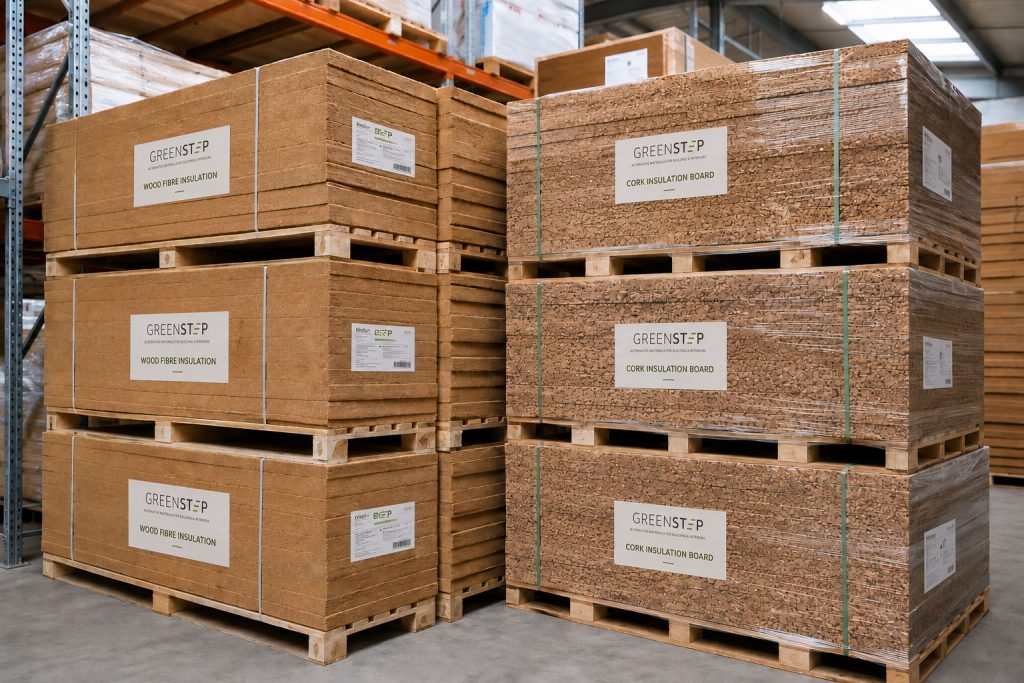
Why Specify Wood Fibre or Cork Insulation instead of PIR?

When specifying insulation for modern construction or retrofit projects, the conversation is no longer focused solely on thermal performance. Architects, contractors and homeowners are increasingly considering embodied carbon, breathability, moisture management, occupant comfort and long-term sustainability alongside U-values and build-up thickness.

While PIR insulation remains a common choice due to its high thermal efficiency in thinner applications, natural alternatives such as wood fibre insulation and cork insulation are gaining significant attention for their environmental credentials and whole-building performance benefits.
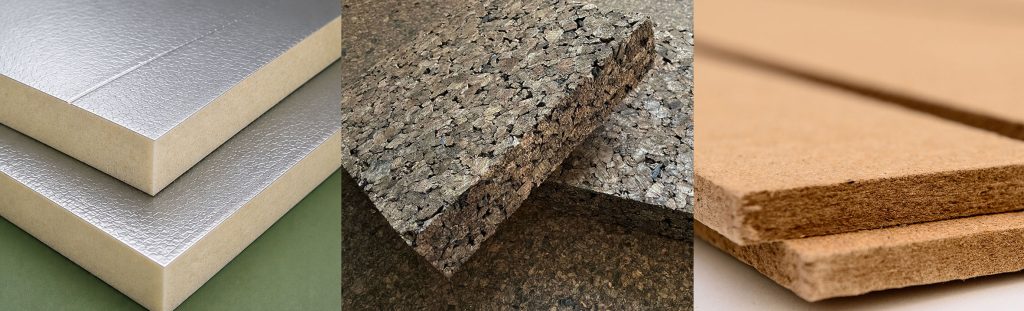
 

From improved vapour permeability and acoustic performance to renewable sourcing and reduced environmental impact, these materials offer a compelling alternative for projects prioritising healthier, lower-carbon construction. In this guide, we explore the key differences between PIR, wood fibre and cork insulation, helping you understand where each material performs best and why natural insulation solutions are becoming an increasingly important part of sustainable building design.

DOWNLOAD our insulation sustainability guide to compare performance, environmental impact and specification considerations in more detail.